The plans do not agree
Sales, supply, inventory and finance are working from different assumptions.
Supply chain consulting from Qatar
OptiChains works with businesses facing real operational problems: too much stock, unreliable plans, slow processes, or an ERP system that is not delivering enough value. We help your team understand what is happening, decide what to change, and put the change into practice.
Knowing that a disruption exists is not enough. Teams need to know which materials are exposed, what alternatives are realistic, and when to act.
What we often find
A stock problem may start in planning. A late delivery may be tied to master data, approvals or supplier performance. We look across the chain before recommending a fix.
Sales, supply, inventory and finance are working from different assumptions.
Cash is tied up, yet the material or product needed today is still unavailable.
The system is capable, but the process, data or settings do not reflect how the business works.
Teams can see the numbers, but ownership and the next action are still unclear.
Services
Sometimes the answer is a better process. Sometimes it is better data, clearer ownership or a system change. We bring these pieces together instead of treating them as separate projects.
Work out where performance is being lost, what matters most, and how to improve it without creating an unrealistic programme.
Help commercial, operations and finance teams make one set of decisions from one agreed view of demand and supply.
Improve availability without simply adding more stock. We work at item and location level, where the real trade-offs sit.
Make buying decisions clearer, supplier performance more visible, and controls strong enough without slowing the business down.
Follow the material from source to destination and fix the hand-offs, delays and blind spots along the way.
Get more from SAP, Dynamics 365 and your operational data. Technology should make the work easier and the decision clearer.
Industries
A refinery, a car distributor and a retail network may use similar planning ideas, but their risks, lead times and day-to-day decisions are very different. We start with that reality.
 Photo: Christian Harb / Unsplash
Critical spares, MRO, project stock, procurement controls and the supply chain that keeps assets running.
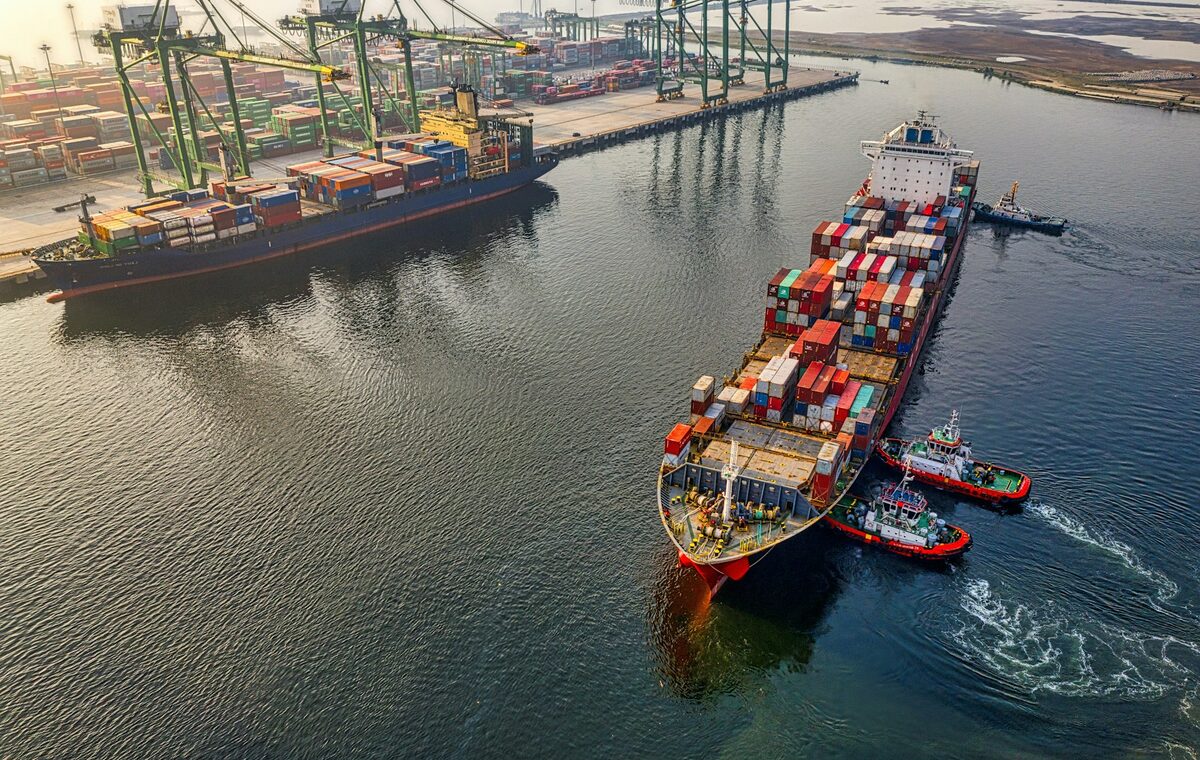 Photo: william william / Unsplash
Fleet support, freight, terminals, warehousing, contracts and visibility across the journey.
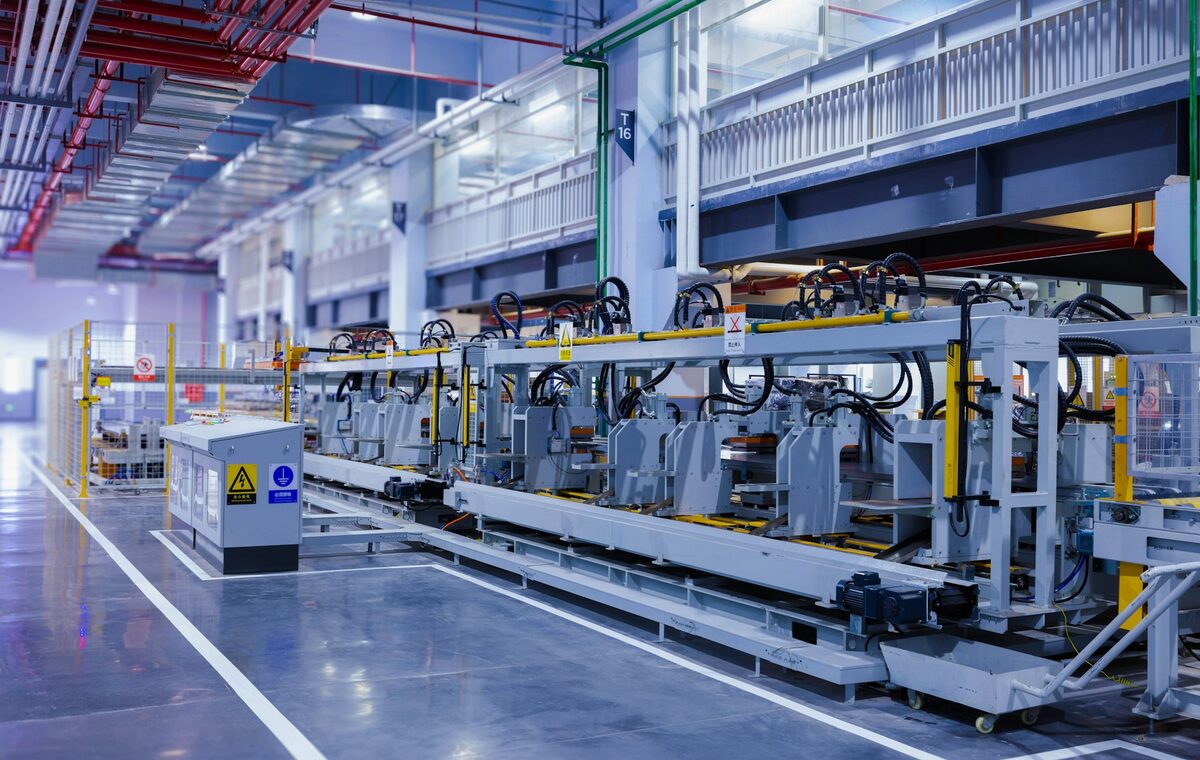 Photo: Homa Appliances / Unsplash
Materials, production, capacity, subcontracting, quality and day-to-day inventory control.
 Photo: Lenny Kuhne / Unsplash
Vehicle supply, dealer stock, model lifecycle, sales planning, margins and aftersales parts.
 Photo: CHUTTERSNAP / Unsplash
Forecasting, assortment, replenishment and inventory across stores, warehouses and channels.
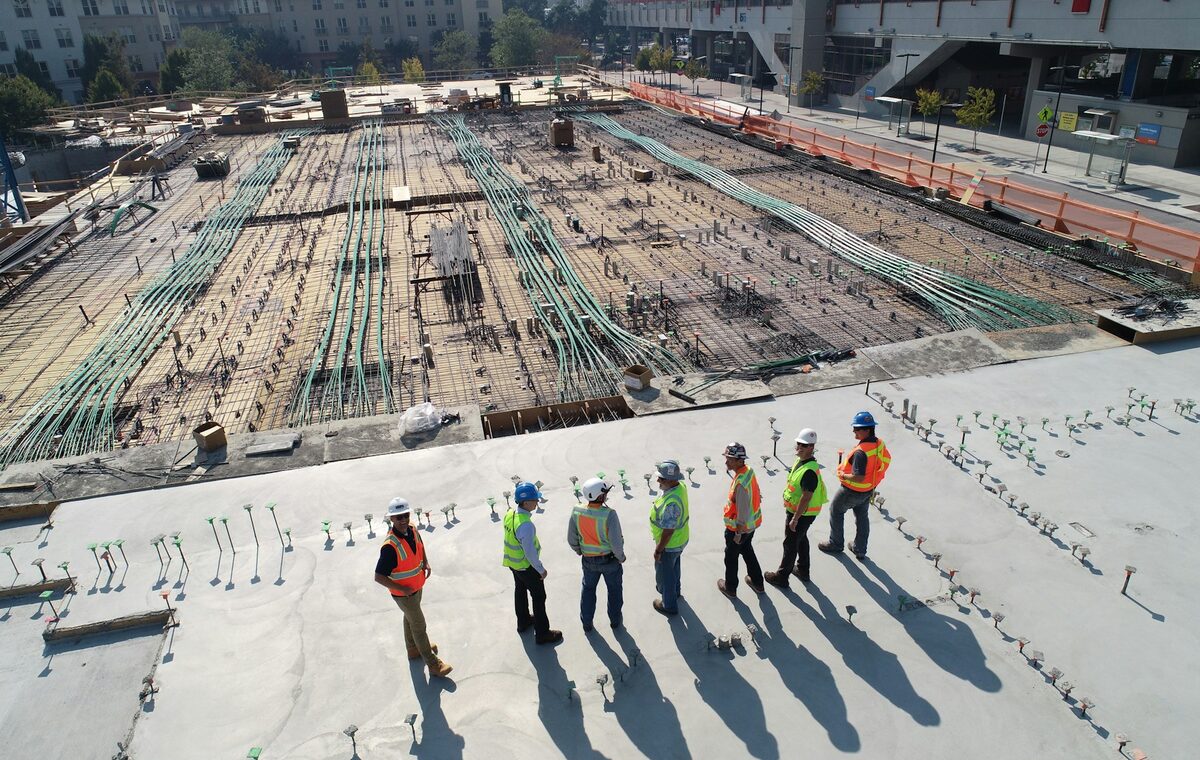 Photo: Scott Blake / Unsplash
Project buying, WBS stock, contractor flows, material control and project close-out.
 Photo: Redd Francisco / Unsplash
Capacity, workflow, project economics, management reporting and digital ways of working.
Examples of our work
These examples are anonymized, but the situations are real. They show the mix of operations, systems and analysis we bring to an engagement.
Perspectives
Short, practical views on the questions supply chain teams are dealing with now—from freight disruption to ERP decisions and optimization.
Optimization
Logistics
Enterprise technology
How we work
We do not arrive with a software product or a ready-made answer. We start with the problem, work with the people who know it, and leave your team with something they can actually use.
Agree what is not working, who it affects, and what a good result would look like.
Look at the process, data, controls, system settings and what people actually do.
Design the process, analysis or system change with the team that will use it.
Pilot it, measure it, improve it and hand over clear ownership.
About OptiChains
OptiChains was created for businesses that need more than a slide deck. We combine supply chain knowledge with hands-on experience of ERP systems, analytics and day-to-day operations.
That means we can discuss the board-level question and still follow it into the planning rule, material flow, system setting or report that needs to change.
Let’s talk
You do not need a finished brief. Tell us what is happening, where the team is getting stuck, and what you would like to improve. We will suggest a sensible next step.